How I Fixed My Body with Acupuncture and Massage — A Real Long-Term Journey
For years, I ignored my body’s warning signs—stiffness, fatigue, nagging pain—until simple movements became hard. That’s when I turned to acupuncture and massage, not for quick fixes, but as long-term tools for real repair. This isn’t about miracles; it’s about consistency, listening to your body, and making small changes that add up. What started as trial and error became a lifestyle shift that truly worked. Healing didn’t happen overnight, but with time, patience, and the right support, I regained mobility, energy, and peace. This is the story of how I learned to honor my body’s needs and rebuild strength from the ground up.
The Breaking Point: When Pain Became Impossible to Ignore
There was no single injury, no dramatic fall—just a slow erosion of comfort and function. At first, the stiffness in my shoulders felt like normal wear and tear. I blamed long hours at the kitchen table, folding laundry, or helping my children with homework. But over time, the discomfort deepened. Reaching for a dish on the top shelf became a struggle. Getting out of bed in the morning required a careful sequence of movements, like an older version of myself was waking up instead of the woman I knew. Simple pleasures—walking through the park, gardening, even standing to cook dinner—started to feel like tasks I had to endure rather than enjoy.
The emotional toll was just as heavy. I felt frustrated, disconnected from my own body. I was tired all the time, not from lack of sleep, but from the constant low hum of tension. My mind felt foggy, and I found myself withdrawing from social plans, not because I didn’t want to go, but because I knew sitting for too long would make standing up unbearable. I tried over-the-counter pain relievers, heating pads, and stretches from online videos. These brought temporary relief, but the pain always returned, often worse than before. It was like putting a bandage on a wound that kept reopening.
The true breaking point came one winter morning when I couldn’t lift my youngest child into the car seat. I strained, shifted my weight, tried different angles, but my back locked up with a sharp, electric pain. Tears welled in my eyes—not just from the physical sensation, but from the realization that I couldn’t do something as fundamental as caring for my child without pain. That moment forced me to confront the truth: I wasn’t managing my health. I was ignoring it. I needed a real solution, not a temporary patch. I realized that long-term healing wasn’t optional—it was necessary if I wanted to live fully again.
Understanding Body Repair: What It Really Means
Before I could begin healing, I had to understand what “body repair” actually meant. I used to think it was about fixing a single problem—my back, my shoulders, my hips. But I learned that true repair is about restoring balance across the entire system. It’s not just about eliminating pain; it’s about improving how the body functions day to day. This includes reducing chronic inflammation, enhancing blood flow to tissues, and helping muscles and joints move more freely. Repair means giving the body the conditions it needs to heal itself, not just masking symptoms.
Modern life, especially for women managing homes and families, often works against this natural healing process. Long periods of sitting—whether at a desk, in the car, or on the couch—slow down circulation and weaken core muscles. Constant mental load and emotional stress keep the nervous system in a state of low-grade alert, which increases muscle tension and slows recovery. Poor posture while doing household chores or looking at screens adds strain over time. These habits don’t cause damage overnight, but their effects accumulate, like interest on a debt that keeps growing until it can’t be ignored.
One of the most important lessons I learned is that body repair is not a quick fix. It’s not something you do for a week and then stop. It’s a gradual, ongoing process that requires patience and consistency. Everyone’s body responds differently. Some people notice changes within a few sessions; others, like me, need months of steady effort before seeing real improvement. The key is to stop thinking in terms of cures and start thinking in terms of care. Repair isn’t about returning to how you were ten years ago—it’s about building a stronger, more resilient version of yourself today.
Why I Chose Acupuncture: More Than Just Needles
When I first considered acupuncture, I’ll admit I was skeptical. The idea of tiny needles being inserted into my skin sounded intense, even a little intimidating. I’d heard stories—some glowing, some doubtful—and I wasn’t sure what to believe. But after another sleepless night spent shifting positions to ease my back pain, I decided to give it a try. I found a licensed practitioner through a trusted recommendation and walked into my first session with a mix of hope and hesitation.
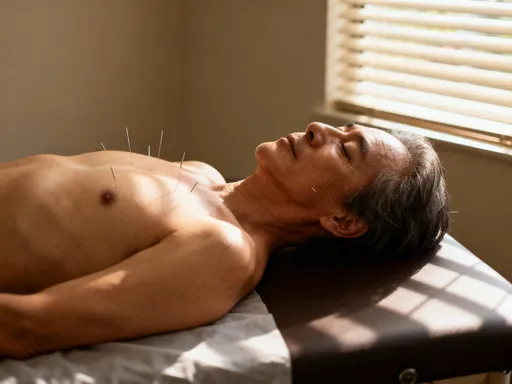
What surprised me most was how gentle the experience was. The needles were much finer than I expected, and most of the time, I barely felt them. I lay on a comfortable table, dim lights above me, soft music playing in the background. As the session progressed, I felt a deep sense of calm wash over me—something I hadn’t experienced in years. It wasn’t just physical relaxation; it was as if my nervous system, which had been running on high alert for so long, finally got the signal that it could rest.
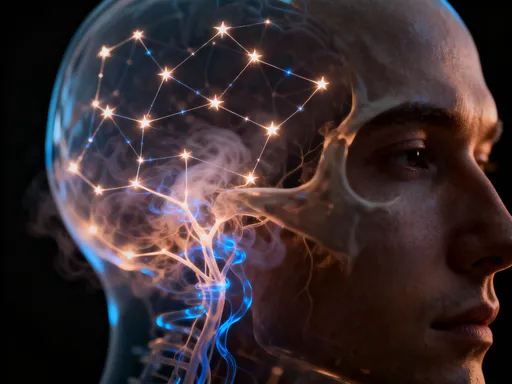
Acupuncture works by stimulating specific points on the body that are connected to energy pathways, known in traditional Chinese medicine as meridians. While the concept may sound abstract, modern research suggests these points often correspond to areas rich in nerves, blood vessels, and connective tissue. Stimulation can trigger the release of natural pain-relieving chemicals like endorphins and help regulate the autonomic nervous system, which controls functions like heart rate, digestion, and muscle tension. Over time, regular sessions helped reduce my chronic inflammation, improve circulation to sore areas, and support tissue healing.
The changes didn’t happen overnight, but they were real. After several weeks, I noticed I was sleeping more deeply. My morning stiffness lessened. Headaches that used to plague me several times a week became rare. I didn’t wake up feeling like I’d been in a fight. Acupuncture didn’t erase my pain completely, but it gave my body the space it needed to begin healing. It became less about chasing relief and more about supporting my body’s natural ability to restore balance.
Massage as Maintenance: Not Just for Relaxation
Like many people, I used to think of massage as a luxury—a treat for special occasions or vacations. I’d book a spa day once a year, enjoy the relaxation, and then return to my routine without much lasting change. What I didn’t realize was that therapeutic massage is fundamentally different from a spa treatment. It’s not just about feeling good in the moment; it’s a proactive tool for maintaining physical health.
I began seeing a licensed massage therapist who specialized in working with clients dealing with chronic tension and postural strain. Our sessions focused on areas where I carried the most stress—my neck, shoulders, lower back, and hips. She used techniques like deep tissue work, which applies firm pressure to release tight muscle fibers, and myofascial release, which gently stretches the connective tissue surrounding muscles. These methods weren’t always comfortable—some areas were tender or reactive—but they were effective. Over time, the knots that felt like rocks beneath my skin began to soften.
One of the biggest benefits of regular massage was improved mobility. Movements that used to require effort—twisting to check the back seat while driving, bending to tie shoes, reaching into high cabinets—became easier. I also noticed fewer flare-ups. Where I used to experience sudden spikes in pain after a busy day, my body became more resilient. Massage helped break the cycle of tension and inflammation, making it easier to recover from physical demands. It also improved my awareness of how I held my body, making it easier to catch and correct poor posture before it caused problems.
Perhaps most importantly, massage became a form of self-respect. Scheduling regular sessions sent a message to myself: my well-being matters. It wasn’t indulgent—it was necessary. Just as I would schedule a doctor’s appointment or take my car in for maintenance, I learned to treat my body with the same level of care. Over time, massage became not just a treatment, but a cornerstone of my long-term health routine.
Building a Routine: Making It Work Long-Term
One of the biggest challenges wasn’t the treatments themselves—it was making them sustainable. At first, I thought I needed frequent, intensive sessions to see results. I tried weekly acupuncture and biweekly massage, but the cost and time commitment quickly became overwhelming. I realized that for this to be a long-term solution, I needed a realistic, balanced approach.
I worked with my practitioners to create a schedule that fit my life. I started with acupuncture once every other week and massage once a month. As my symptoms improved, we adjusted the frequency. Now, I maintain my progress with acupuncture every six to eight weeks and massage every four to six weeks. This rhythm allows my body to continue healing without burning out my budget or schedule. I also learned to listen to my body—if I feel tension building or notice a dip in energy, I don’t wait for my next appointment. I adjust as needed.
Equally important was integrating small, daily habits to support the work I was doing in sessions. I made a habit of drinking more water, especially after treatments, to help flush out metabolic waste from muscles. I began doing gentle stretching each morning—nothing intense, just enough to wake up my body and improve circulation. I also became more mindful of my posture, especially when doing household tasks. Simple changes, like using a cushion for lower back support while sitting or taking short breaks to walk around during long chores, made a noticeable difference.
The most powerful shift was in my mindset. I stopped looking for dramatic, overnight results and started appreciating small victories: a night of uninterrupted sleep, a pain-free walk around the block, the ability to play on the floor with my grandchildren without hesitation. I learned that consistency—not intensity—is what creates lasting change. Healing is not about doing everything perfectly; it’s about showing up regularly, with kindness and patience. Over time, these small efforts compounded, creating a foundation of strength and resilience I hadn’t felt in years.
What Science Says: Backing Up the Experience
While my personal experience has been transformative, I also wanted to understand what science has to say about acupuncture and massage. I was encouraged to find that research supports many of the benefits I’ve observed. Studies published in reputable medical journals have shown that acupuncture can help modulate pain signals in the brain and spinal cord, making it an effective complementary approach for chronic pain conditions like lower back pain, osteoarthritis, and tension headaches.
Research also indicates that acupuncture can influence the body’s nervous system, helping to shift it from a state of stress (sympathetic dominance) to a state of rest and repair (parasympathetic activation). This explains why many people, including myself, report better sleep, reduced anxiety, and improved digestion after regular sessions. While acupuncture is not a cure-all, it has been recognized by organizations like the National Institutes of Health and the World Health Organization as a valuable tool in managing certain health conditions, particularly when used alongside conventional care.
When it comes to massage, scientific evidence also supports its role in recovery and wellness. Studies have shown that therapeutic massage can reduce levels of cortisol, the body’s primary stress hormone, while increasing levels of serotonin and dopamine—chemicals linked to feelings of well-being. This hormonal shift not only improves mood but also creates a physiological environment that supports healing. Massage has also been found to improve circulation, reduce muscle soreness, and speed up recovery after physical strain.
It’s important to emphasize that these therapies are not replacements for medical diagnosis or treatment. If someone is experiencing severe or worsening symptoms, they should always consult a healthcare provider. However, for managing chronic pain, reducing stress, and supporting overall function, acupuncture and massage can be powerful allies. The science doesn’t promise miracles, but it does validate what many patients have reported for years: these practices can make a meaningful difference when used consistently and appropriately.
Lessons Learned and Warnings for Others
Looking back, the most important lesson I’ve learned is the value of patience. Healing is not linear. There were weeks when I felt amazing, followed by setbacks that made me question if I was making progress at all. I had to learn to trust the process, even when results weren’t immediate. I started tracking small improvements—how many steps I could take without pain, how many hours of sleep I got, how I felt after a busy day—to remind myself that change was happening, even if it was slow.
I also learned to manage my expectations. Acupuncture and massage are not magic. They won’t erase every ache or undo years of wear and tear overnight. But they can create the conditions for healing to occur. I had to let go of the idea that I needed to be “fixed” and instead focus on being supported. This shift in mindset made all the difference.
One warning I would offer to others is to avoid self-diagnosing or delaying professional medical advice. I’m grateful I didn’t ignore my symptoms, but I also didn’t assume I knew what was wrong. I consulted my primary care provider first, who ruled out serious conditions and supported my decision to try complementary therapies. It’s essential to work with licensed, qualified practitioners—acupuncturists who are certified and massage therapists with proper training and credentials. This ensures safety and effectiveness.
Finally, I’ve learned to stay open-minded. What works for one person may not work for another. Some women may find greater relief through physical therapy, yoga, or other modalities. The key is to listen to your body, do your research, and find what supports your unique needs. Healing is personal, and there’s no one-size-fits-all solution. But for me, acupuncture and massage became the foundation of a healthier, more balanced life.
Healing isn’t about perfection—it’s about showing up for your body, again and again. Acupuncture and massage gave me tools to repair, rebalance, and reclaim daily life. This journey taught me that true wellness isn’t fast, but it’s worth every step. Your body can heal, but it needs time, care, and the right support.