Sweat More, Shine More: How Exercise Transformed My Hair Health
Have you ever linked your workouts to the shine in your hair? I didn’t—until I noticed real changes. After months of consistent exercise, my scalp felt healthier, and my hair appeared stronger and more vibrant. Turns out, science backs this up: physical activity boosts circulation, balances hormones, and reduces stress—all key factors in hair health. This isn’t magic; it’s biology. Here’s what actually happens when movement meets your hair care routine.
The Hidden Connection: Why Your Scalp Cares About Your Workout
Hair health is often treated as a surface-level concern, managed through shampoos, serums, and salon treatments. Yet, the foundation of strong, lustrous hair lies far beneath the surface—in the body’s internal environment. What many don’t realize is that the scalp is an extension of the skin, rich in blood vessels and sensitive to systemic changes. When you engage in regular physical activity, you initiate a cascade of physiological responses that directly benefit the hair follicle, the living structure from which each strand grows. Unlike nails or dead skin cells, hair is one of the fastest-growing tissues in the human body, requiring consistent nourishment and hormonal stability to function optimally.
Exercise influences hair health primarily through three interconnected pathways: improved circulation, hormonal regulation, and stress reduction. Each of these plays a critical role in maintaining the hair growth cycle, particularly the anagen phase, during which active growth occurs. When circulation is strong and hormones are balanced, follicles remain in this productive phase longer. Conversely, poor blood flow, elevated stress hormones, or hormonal imbalances can shorten the anagen phase, leading to thinner, weaker hair or increased shedding. While genetics and medical conditions certainly contribute to hair loss, lifestyle factors—especially physical activity—are powerful modulators that can either support or undermine hair integrity over time.
The connection between fitness and hair may seem surprising, but it reflects a broader truth: true beauty begins with health. Just as muscles respond to resistance training and the heart strengthens with aerobic activity, the scalp and hair follicles benefit from the same internal upgrades that exercise provides. This means that while topical treatments may offer temporary improvements, lasting hair wellness stems from what happens inside the body. Movement is not just about weight management or cardiovascular health—it’s also a silent partner in the quest for healthier hair.
Blood Flow and Follicle Fuel: The Circulatory Edge of Exercise
At the core of hair growth is a simple biological necessity: delivery. Hair follicles require a constant supply of oxygen, proteins, vitamins, and minerals to produce strong, resilient strands. These nutrients travel through the bloodstream, making circulation a critical determinant of hair health. When you exercise, your heart pumps more vigorously, increasing blood flow throughout the body—including the scalp. This enhanced microcirculation ensures that follicles receive the fuel they need to sustain growth and resist damage.
Scientific studies using techniques like laser Doppler imaging have demonstrated measurable increases in scalp blood flow following aerobic and resistance training. Even moderate activities such as brisk walking or cycling can trigger this response. The result is a more nourished follicle environment, where keratinocytes—the cells responsible for producing hair protein—are better supported. Key nutrients like iron, which prevents anemia-related hair loss, zinc, which aids in tissue repair, and biotin, involved in keratin production, are all transported more efficiently when circulation is optimized. Over time, this consistent nutrient delivery contributes to thicker, shinier, and more resilient hair.
In contrast, a sedentary lifestyle can impair circulation, particularly in areas farther from the heart, such as the scalp. Prolonged sitting, poor posture, and lack of movement may lead to sluggish blood flow, reducing the availability of essential nutrients to hair follicles. This doesn’t cause immediate hair loss, but over months or years, it can weaken the structural integrity of hair, making it more prone to breakage and thinning. The good news is that even small increases in daily activity—such as taking short walks, stretching, or climbing stairs—can begin to reverse this trend. Movement, in this sense, acts like internal irrigation for the scalp, keeping the follicles well-fed and functioning at their best.
Stress, Cortisol, and Hair Loss: How Movement Resets the Balance
One of the most well-documented causes of temporary hair shedding is chronic stress. When the body is under prolonged psychological or physical pressure, it activates the hypothalamic-pituitary-adrenal (HPA) axis, leading to elevated levels of cortisol, often referred to as the “stress hormone.” While cortisol plays a necessary role in managing energy and alertness, excessive levels can disrupt numerous bodily systems—including hair growth. High cortisol has been linked to telogen effluvium, a condition in which hair prematurely shifts from the growth phase to the resting phase, eventually shedding several weeks or months later.
Many women in their 30s to 50s experience this type of hair loss during major life transitions—such as parenting challenges, career changes, or family responsibilities—without realizing the connection to stress. The shedding often comes as a surprise, appearing months after the initial stressor. Exercise serves as a natural regulator of the HPA axis, helping to lower cortisol levels and restore hormonal equilibrium. Physical activity stimulates the release of endorphins, neurotransmitters that promote feelings of well-being and reduce perceived stress. Additionally, regular movement improves sleep quality, which further supports cortisol regulation and overall hormonal health.
Longitudinal studies have shown that individuals who maintain consistent exercise routines report not only lower stress levels but also improved hair retention and reduced shedding. While exercise cannot eliminate life’s stressors, it equips the body with better tools to manage them. Even 20 to 30 minutes of daily movement—such as walking, dancing, or light strength training—can make a meaningful difference in how the body responds to pressure. For women juggling multiple roles, this form of self-care is not indulgent; it’s essential. By calming the nervous system, exercise creates a more favorable internal environment for hair to thrive.
Hormonal Harmony: Exercise and Androgen Regulation
Hormones play a central role in determining hair density and pattern, particularly as women age. While estrogen supports hair growth and thickness, androgens—such as testosterone and its more potent derivative, dihydrotestosterone (DHT)—can contribute to follicle miniaturization when present in excess. This process is a key factor in female pattern hair loss, a condition characterized by gradual thinning at the crown and part line. Although genetics largely determine susceptibility, lifestyle choices, including physical activity, can influence how these hormones behave in the body.
Moderate, consistent exercise has been associated with healthier hormone metabolism. Unlike extreme endurance training, which may temporarily elevate stress hormones, balanced physical activity helps maintain an optimal ratio between testosterone and estrogen. Some observational studies suggest that regular movement can reduce the conversion of testosterone into DHT, particularly when combined with a nutrient-rich diet and healthy body composition. While exercise alone cannot override genetic predispositions, it can help create a hormonal environment that is less conducive to excessive shedding or thinning.
Additionally, physical activity supports insulin sensitivity, which indirectly affects hormone balance. Insulin resistance, often linked to weight gain and metabolic syndrome, can increase androgen production in some women, particularly those with polycystic ovary syndrome (PCOS). By improving glucose metabolism and supporting healthy weight management, exercise helps mitigate these hormonal imbalances. The result is not only better overall health but also a more stable foundation for hair growth. For women navigating hormonal shifts during perimenopause or menopause, maintaining an active lifestyle may be one of the most effective ways to support both internal balance and external vitality.
Sweat, Sebum, and Scalp Hygiene: What Really Happens During a Workout
Despite its natural role in thermoregulation, sweat often gets a bad reputation—especially when it comes to hair and scalp health. Some worry that perspiration clogs pores or leads to dandruff, but the reality is more nuanced. Sweat produced during exercise is primarily composed of water, electrolytes, and a naturally occurring antimicrobial peptide called dermcidin. This compound has been shown to protect the skin from bacteria and fungi, including those that can contribute to scalp irritation or infection. In this way, sweating can actually support a cleaner, more resilient scalp environment.
Sebum, the oily substance produced by sebaceous glands, also plays a role in scalp health. While excess sebum can lead to greasiness, it is essential for moisturizing the scalp and protecting hair from environmental damage. Exercise helps regulate sebum production by improving circulation and balancing hormones. When sweat mixes with sebum, it can help distribute these natural oils more evenly along the hair shaft, enhancing shine and reducing dryness. However, allowing sweat to sit on the scalp for extended periods—especially after intense workouts—can create a damp environment that promotes microbial growth. Therefore, timely cleansing is important to maintain hygiene without stripping the scalp of its protective barriers.
Practical strategies can help women enjoy the benefits of sweating while minimizing potential downsides. Wearing breathable, moisture-wicking headbands or hats during exercise allows sweat to evaporate efficiently. Timing workouts earlier in the day can prevent sleeping with damp hair, which may increase the risk of fungal issues. After exercising, a gentle rinse or mild shampoo can remove buildup while preserving the scalp’s natural balance. For those with longer hair, loosely tying it up during workouts reduces friction and prevents tugging. Ultimately, sweat should be seen not as a threat to hair health, but as a sign of a body in motion—one that is actively supporting overall wellness, including that of the scalp.
Types of Exercise That Support Hair Health: Beyond the Hype
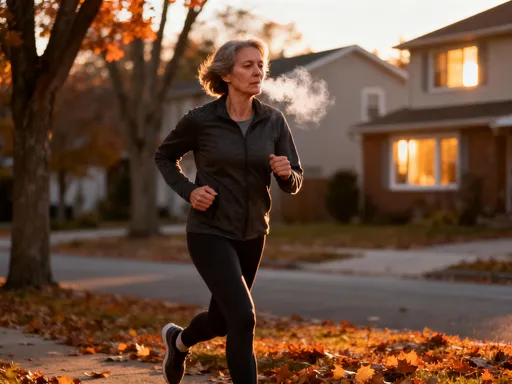
Not all forms of exercise deliver the same benefits for hair health, and understanding the differences can help women make informed choices. Aerobic activities—such as brisk walking, swimming, or cycling—are particularly effective at boosting circulation and improving cardiovascular function. These exercises increase heart rate and oxygen delivery, directly enhancing nutrient flow to the scalp. Research suggests that even 30 minutes of moderate aerobic activity five times a week can lead to measurable improvements in systemic health, including skin and hair vitality.
Resistance training, including bodyweight exercises, free weights, or resistance bands, also plays a valuable role. By building lean muscle mass, strength training improves metabolic rate and supports hormone regulation. It has been associated with better insulin sensitivity and more stable cortisol levels, both of which contribute to a healthier internal environment for hair growth. Additionally, the act of lifting or pushing against resistance stimulates blood flow to the scalp, particularly when exercises involve upright positions or head movement.
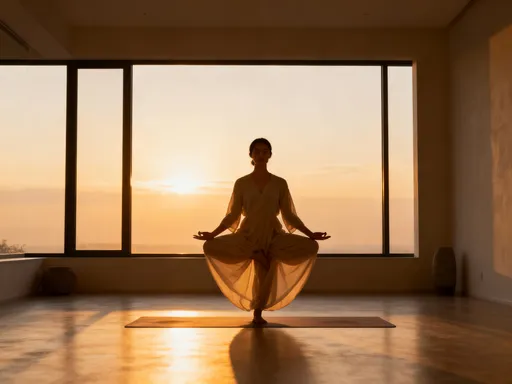
Mind-body practices such as yoga, tai chi, and Pilates offer complementary benefits, primarily through stress reduction and improved circulation. Yoga, in particular, includes inversions like downward dog or legs-up-the-wall pose, which may enhance blood flow to the head. More importantly, these practices activate the parasympathetic nervous system, promoting relaxation and counteracting the effects of chronic stress. Studies have shown that regular participation in mind-body exercises is linked to lower cortisol levels and improved sleep quality—both of which support hair retention.
The key is not to choose one type of exercise over another, but to combine them for maximum benefit. A balanced routine that includes aerobic activity, strength training, and flexibility or mindfulness work addresses all the major factors influencing hair health. The goal is sustainability—not intensity. Extreme workouts or sudden increases in physical demand can trigger oxidative stress or inflammation, potentially worsening hair shedding. Instead, a moderate, consistent approach yields the best long-term results.
Putting It Into Practice: A Realistic Routine for Scalp and Hair Wellness
Knowing the science is one thing; applying it consistently is another. For busy women managing households, careers, and personal responsibilities, finding time for exercise can feel overwhelming. The good news is that hair-supportive movement doesn’t require hours at the gym or intense training. The World Health Organization recommends at least 150 minutes of moderate-intensity aerobic activity per week, along with two or more days of muscle-strengthening activities. This can be broken into manageable 20- to 30-minute sessions, making it easier to integrate into daily life.
A practical weekly plan might include brisk walking three times a week, a yoga session for stress relief, two short strength-training routines at home, and daily stretching or light movement such as gardening or dancing while cooking. The focus should be on consistency rather than perfection. Even small actions—like taking the stairs, parking farther away, or doing calf raises while brushing teeth—add up over time. What matters most is creating a routine that feels sustainable and enjoyable, not burdensome.
To further support hair health, women can incorporate simple post-exercise habits. A gentle scalp massage after a workout enhances blood flow and provides a soothing sensory experience. Staying hydrated ensures that cells, including those in the hair follicle, function efficiently. Pairing physical activity with a diet rich in protein, leafy greens, nuts, and whole grains amplifies the benefits, as nutrition and movement work synergistically. Avoiding tight hairstyles during exercise prevents traction alopecia, a form of hair loss caused by constant pulling.
It’s also important to listen to the body. Overtraining, inadequate rest, or poor nutrition can negate the positive effects of exercise. Hair thrives on balance—too little activity impairs circulation, but too much can increase oxidative stress. The ideal approach is gentle, regular movement that supports overall well-being. Over weeks and months, many women begin to notice subtle but meaningful changes: less shedding, stronger strands, and a healthier scalp. These improvements are not immediate, but they are lasting.
Movement as a Foundation, Not a Fix
Exercise is not a miracle cure for hair loss, nor should it replace medical evaluation when concerns arise. However, it is a powerful, evidence-based component of a holistic approach to hair wellness. When viewed not as a quick fix but as a long-term investment in health, physical activity strengthens the body from within—improving circulation, reducing stress, and supporting hormonal balance. These internal shifts may not be visible in the mirror right away, but they lay the groundwork for stronger, more resilient hair over time.
Hair health is not solely determined by genetics or topical products. It reflects the state of the entire body. While shampoos and serums can enhance appearance, true vitality comes from lifestyle choices made every day. Movement is one of the most accessible and effective tools available. It requires no special equipment, expensive treatments, or drastic changes—just a willingness to get started and keep going.
For women seeking to support their hair through natural, sustainable means, exercise offers a proven path. It’s not about achieving a certain look overnight, but about honoring the body’s need for motion, balance, and care. When movement becomes a regular part of life, the benefits extend far beyond the scalp. Energy levels rise, mood improves, and overall health strengthens. And sometimes, the simplest thing you can do for your hair is also one of the best things you can do for yourself—just keep moving.