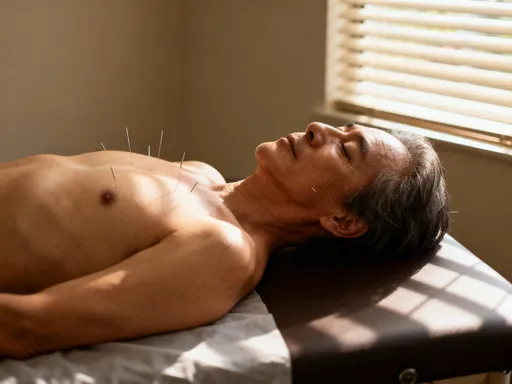
How I rebuilt my strength with a smarter daily routine — a rehab journey that just works
Recovery isn’t just about healing—it’s about rebuilding with purpose. After months of rehabilitation, I learned that consistency beats intensity every time. Small, daily choices shaped my progress more than any single treatment. This isn’t a miracle story, but a real look at how a structured routine, guided by professionals, can transform recovery. If you're healing from injury or managing long-term rehab, this is for you.
The Breaking Point: When Recovery Felt Impossible
There was a time when even standing from a chair required effort, focus, and a moment of hesitation. Simple tasks—carrying groceries, walking up a flight of stairs, or bending down to tie a shoe—became daily hurdles. The injury had not only affected the body but reshaped life in ways that were hard to accept. Independence, once taken for granted, now felt fragile and conditional. Emotions ran high: frustration, impatience, and at times, a quiet sense of defeat. The hardest part wasn’t the physical pain—it was the loss of normalcy.
At first, the instinct was to push through. Many believe that more effort equals faster healing. But in rehabilitation, this mindset can backfire. Early attempts to regain strength often involved doing too much too soon—long walks, aggressive stretching, or repeating exercises without proper form. These efforts led not to progress, but to setbacks: increased swelling, stiffness, and days of stalled movement. Each relapse felt like a personal failure, deepening the emotional toll. It became clear that recovery wasn’t about willpower alone.
The turning point came during a session with a physical therapist who asked a simple question: "Are you trying to heal, or are you trying to prove something?" That moment of reflection shifted everything. Instead of focusing on how quickly I could return to full activity, I began to consider how sustainably I could rebuild. The goal was no longer speed—it was stability. The journey wasn’t about returning to who I was, but becoming someone more mindful, more patient, and more attuned to the body’s signals. This new perspective laid the foundation for real progress.
Why Routine Matters More Than You Think
Science shows that healing is not a random process—it thrives on predictability. The human body responds best to consistency, especially during recovery. When daily habits are structured and repeated, the nervous system begins to rewire itself through a process known as neuroplasticity. This means that over time, the brain learns new movement patterns, adapts to changes in mobility, and strengthens neural connections that support coordination and balance. Just as a musician improves through daily practice, the body rebuilds strength through repetition and rhythm.
Muscle memory, too, is shaped by routine. After an injury, muscles may weaken or become imbalanced. But with regular, targeted exercises, the body can re-educate these muscles to function properly again. Studies published in rehabilitation journals have found that patients who follow a consistent daily routine report better outcomes, including reduced pain, improved range of motion, and higher rates of long-term recovery. One study followed individuals recovering from knee surgery and found that those with structured daily regimens regained mobility 30% faster than those who exercised sporadically.
Think of the body as a well-tuned machine. When parts fall out of alignment, performance suffers. But when maintenance is regular—lubrication, adjustments, and inspections—the system runs smoothly. In the same way, a predictable daily routine keeps the body’s healing systems aligned. Small actions, when repeated, create compound benefits. Waking up at the same time, moving gently each morning, eating nourishing meals, and resting adequately all signal safety and stability to the body. These signals reduce stress hormones like cortisol, which can otherwise slow tissue repair. Over time, this consistency builds momentum that no single intense session can match.
Moreover, routine reduces decision fatigue. When recovery requires constant choices—what to do, when to do it, how much effort to exert—it becomes mentally exhausting. But when a framework is in place, actions become automatic. This frees mental energy for healing rather than planning. The power of routine isn’t in grand gestures—it’s in the quiet, daily commitment to showing up, even when progress feels invisible.
Building a Rehab-Ready Daily Framework
An effective recovery routine rests on four foundational pillars: movement, rest, nutrition, and mindset. Each plays a distinct yet interconnected role in the healing process. Movement stimulates blood flow and prevents stiffness. Rest allows tissues to repair and the nervous system to reset. Nutrition provides the raw materials for rebuilding cells. And mindset influences motivation, pain perception, and long-term adherence. When these elements are integrated into a daily framework, recovery becomes not just possible, but sustainable.
Timing and sequence matter. For example, morning mobility exercises—such as gentle joint rotations or seated stretches—help awaken the body after hours of stillness. These movements increase circulation and prepare muscles for activity. In contrast, evening routines should focus on calming the nervous system: slow breathing, light stretching, or mindfulness practices that support restful sleep. Aligning activities with the body’s natural rhythms enhances their effectiveness. A study in chronobiology suggests that physical therapy performed in the late morning, when body temperature and joint lubrication peak, may yield better results than sessions held later in the day.
Sleep hygiene is a critical but often overlooked component of recovery. During deep sleep, the body releases growth hormone, which aids in tissue repair. Poor sleep, on the other hand, increases inflammation and delays healing. Simple habits—like keeping a consistent bedtime, avoiding screens an hour before sleep, and creating a cool, dark sleeping environment—can significantly improve sleep quality. Similarly, managing daily stress through techniques like diaphragmatic breathing or guided relaxation supports the parasympathetic nervous system, which governs rest and recovery.
Integrating professional guidance into daily life ensures that the routine remains safe and effective. This doesn’t mean constant supervision—it means using check-ins, written plans, or digital tools to stay aligned with therapeutic goals. Many find success by scheduling weekly video calls with their therapist, using printed exercise sheets, or recording progress in a journal. These practices reinforce accountability and allow for timely adjustments. A structured routine, built with professional input, becomes a personalized roadmap for recovery—one that evolves as healing progresses.
Movement That Supports Healing—Not Hurts It
Not all movement is equal in rehabilitation. The goal is not to burn calories or build muscle quickly, but to stimulate healing without causing harm. Low-impact, therapist-approved activities form the backbone of a safe recovery program. Controlled walks, for instance, improve cardiovascular health while gently loading joints and strengthening supporting muscles. Resistance band exercises allow for progressive strength training with minimal joint stress. Breathing drills—such as diaphragmatic or paced breathing—enhance oxygen delivery and reduce muscle tension, supporting both physical and emotional recovery.
The principle of progressive overload applies in rehab just as it does in fitness, but with a crucial difference: the dose must be precise. Doing *just enough* to stimulate tissue adaptation—without triggering inflammation or pain—is the key. This means starting with small ranges of motion, light resistance, or short durations, then increasing gradually over weeks. For example, a person recovering from a shoulder injury might begin with pendulum swings for two minutes daily, then slowly add resistance band pulls as strength improves. The pace is slow, but the results are lasting.
One of the most common mistakes in rehab is overexertion. Signs include increased pain during or after exercise, swelling that appears hours later, or stiffness the following day. These are not signs of “working hard”—they are signals of strain. Pushing through them can lead to setbacks that erase weeks of progress. Instead, the focus should be on quality, not quantity. Proper form, controlled tempo, and full attention to movement are more important than repetitions or duration. A physical therapist can help identify these warning signs and adjust the program accordingly.
Tracking subtle improvements is a powerful motivator. Since progress in rehab is often slow, it’s easy to feel stuck. But small wins—like reaching a little higher on the shelf, walking an extra block, or noticing less stiffness in the morning—add up. Keeping a simple log of these changes helps maintain perspective. Over time, these records reveal a clear upward trend, even when day-to-day changes feel invisible. Celebrating these milestones reinforces commitment and builds confidence in the process.
The Hidden Power of Non-Exercise Habits
While exercise is essential, non-exercise habits play an equally vital role in recovery. Hydration, for example, supports joint lubrication and nutrient transport. Even mild dehydration can increase muscle cramps and slow tissue repair. Aiming for consistent fluid intake throughout the day—primarily water, with occasional herbal teas—helps maintain optimal cellular function. Similarly, protein intake is crucial. Muscles, tendons, and ligaments are made of protein, and healing tissues require more of it. Including a source of high-quality protein in each meal—such as eggs, Greek yogurt, lentils, or lean poultry—supports repair and reduces muscle loss during periods of reduced activity.
Meal timing also influences recovery. Spreading protein intake evenly across meals—rather than consuming most at dinner—has been shown to maximize muscle synthesis. This approach, known as protein pacing, helps the body use nutrients more efficiently. Additionally, foods rich in antioxidants—like berries, leafy greens, and nuts—help reduce inflammation, creating a more favorable environment for healing. Omega-3 fatty acids, found in fatty fish and flaxseeds, have similar anti-inflammatory effects and may improve joint comfort.
Posture and daily habits matter more than many realize. Sitting for long periods, especially with poor alignment, can worsen pain and delay recovery. Simple adjustments—like using a supportive chair, keeping the screen at eye level, and taking short standing or stretching breaks every 30 minutes—can make a significant difference. These micro-movements prevent stiffness and reduce strain on healing tissues. Setting a timer or using a smartwatch reminder can help build this habit naturally.
Mindfulness and gentle stretching also contribute to recovery. Chronic stress activates the sympathetic nervous system, which increases muscle tension and slows healing. Practices like seated meditation, body scans, or slow neck and shoulder rolls help activate the parasympathetic system, promoting relaxation. This state of calm not only improves emotional well-being but also reduces muscle guarding—a protective tightening that can limit movement and prolong recovery. By addressing both physical and emotional tension, these habits create a more supportive internal environment for healing.
Staying on Track When Motivation Fades
Long-term rehabilitation is not a straight line. There are days of progress, plateaus that feel endless, and moments of doubt. Motivation naturally ebbs and flows, and relying on inspiration alone is not enough. Discipline—showing up even when you don’t feel like it—is what carries you through. The key is to design a routine that requires less willpower and more automaticity. This is where practical strategies make all the difference.
Habit stacking—linking a new behavior to an existing one—can increase adherence. For example, doing ankle pumps while brushing your teeth or performing shoulder rolls while waiting for the kettle to boil turns recovery into part of daily life. Visual progress logs, such as a calendar with checkmarks or a journal with weekly notes, provide tangible evidence of effort and improvement. These tools help maintain perspective during slow periods. Weekly check-ins with a therapist, whether in person or virtual, offer accountability and professional feedback, reinforcing commitment.
Environmental cues also reduce friction. Placing resistance bands on the kitchen counter, keeping a water bottle on the nightstand, or laying out rehab clothes the night before removes barriers to action. When the next step is visible and easy, it’s more likely to happen. Over time, these small design choices build a supportive ecosystem that makes consistency effortless.
It’s also important to acknowledge the emotional journey. Feelings of boredom, frustration, or isolation are normal. Talking to a trusted friend, joining a support group, or speaking with a counselor can provide emotional relief. Healing is not just physical—it involves the whole self. By addressing emotional needs alongside physical ones, the recovery process becomes more balanced and sustainable.
From Recovery to Resilience: Making It Last
Rehabilitation does not end when symptoms disappear. The ultimate goal is to transition from recovery to resilience—building a lifestyle that prevents relapse and supports long-term well-being. As strength and mobility improve, the routine naturally evolves. Therapist-led sessions may become less frequent, replaced by independent maintenance exercises. But this independence does not mean going it alone. Periodic check-ins with a physical therapist—every few months or as needed—help catch imbalances early and ensure proper form.
The habits formed during rehab can become lifelong health practices. Daily movement, mindful eating, quality sleep, and stress management are not just for healing—they are the foundation of lasting vitality. A person who once struggled to walk may now enjoy daily walks in the park. Someone who avoided stairs may now climb them with ease. These changes are not just physical—they represent a deeper relationship with the body, built on respect and care.
Healing, when done thoughtfully, becomes a form of self-education. It teaches patience, attentiveness, and the value of small, consistent actions. The routine that once supported recovery now supports a more resilient, aware, and balanced life. This shift—from fixing to flourishing—is the true measure of success.
Rehabilitation isn’t a race—it’s a reeducation of body and mind. The real victory lies not in returning to who you were, but in becoming someone who moves with greater awareness and care. A consistent, thoughtful routine doesn’t just support recovery; it builds a foundation for lasting resilience. Always consult qualified professionals to guide your journey—because healing, done right, lasts a lifetime.